Every year, the Arte Laguna Prize creates new collaborations with international partners, enriching the competition’s network and providing opportunities for participating artists.
Below are all the winners of the Special Prizes for the 20th edition 2025.
THE WINNERS OF ARTE LAGUNA PRIZE | 20th EDITION 2025
VINCITRICE ASSOLUTA

Sezione: SCULTURA E INSTALLAZIONE

Titolo: Rockit Black
Motivazione: L’opera “Rockit Black” di Tanda Francis è stata premiata con l’Arte Laguna Prize non solo per il suo rigore concettuale e la dimensione scultorea, ma anche per l’uso innovativo dei materiali (resti di strutture utilizzate per chiudere gli edifici durante le proteste del movimento Black Lives Matter nel 2020 contro la brutalità della polizia). Quest’opera si distingue per la sua presenza significativa all’interno della mostra, in modo sia radicale che poetico, affrontando con urgenza i discorsi globali sulla politica dell’identità. Questo risulta particolarmente impattante alla luce dei recenti risultati elettorali negli Stati Uniti, dove le voci delle comunità emarginate rischiano di non essere riconosciute e celebrate.
ART RESIDENCIES
MoCA ASSOCIATION
Venice, Italy

 | Monika Maroziene Klaipeda, Lithuania (1987) |
Reason
The artist demonstrates a highly interesting photographic ability, both stylistically and meaningfully. We’re confident the residency will be an excellent source of inspiration and food for thought for his future projects.
BIGCI
Bilpin, Australia
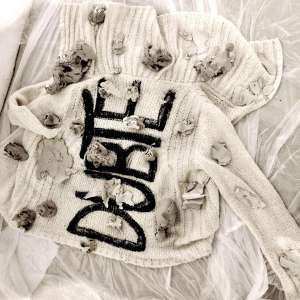
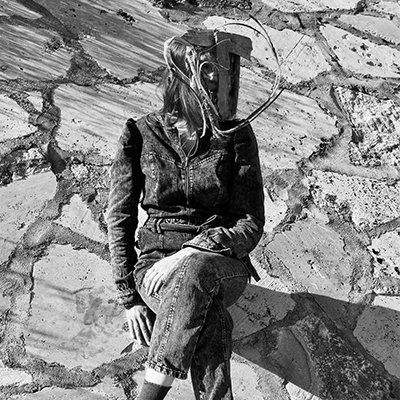 | Alessandra Maoggi Florence, Italy (1972) |
Reason
We were impressed with Alessandra Maoggi’s research-based performance practice. Her work draws both from deeply personal and from shared community experiences. We are very curious to see how the project she began in Europe would be further developed and modified when she has the opportunity to immerse herself in the unique wilderness of the Greater Blue Mountains UNESCO World Heritage area where we are situated.
LITIX
Carrara, Italy

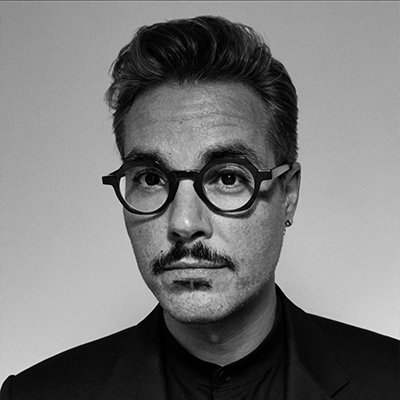 | Vincenzo Muratore London, United Kingdom |
Reason
Vincenzo Muratore reveals a profound conceptual maturity and an ethical vision of artistic creation, also thanks to his original methodology that combines traditional materials such as marble with contemporary processes such as 3D modeling and robotic milling.
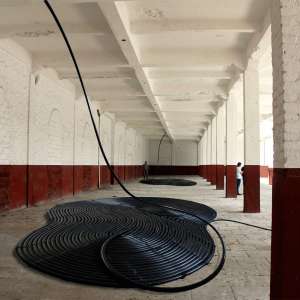

Emiliano Aiello, Italy (1971)
B_APP_TREE, Latvia (1980)
Silvina Cortés, Uruguay (1998)
Elena Pelosi & Agata Paola Leuce, Italy
Veronica Ibargüengoitia, Mexico (1970)
Daniel Laskarin, Canada (1953)
Guez Laurent, France (1957)
Annike Oliveira Limborço, Brazil (1980)
Susana Mazzarino Jimenez, Germany (1969)
Kellen Meyer, America (1973)
Edurne Morales, Mexico (1993)
Filip Moszant, France (1987)
Vincenzo Muratore, UK (1985)
Oni Weber, Germany (1993)
Tanja Pak, Slovenia (1971)
Joanna Rajch, Poland (1981)
Real Lee, China (1993)
Greivin Salas, Costa Rica (1983)
Julia Smirnova, Germany (1981)
Tania Welz, Italy (1965)
BUSINESS FOR ART
LA GHISOLANA
Asolo, Italy
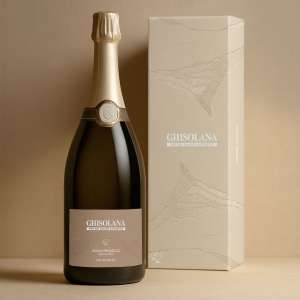
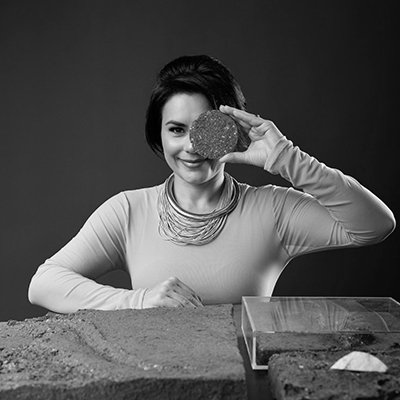 | Annike Oliveira Limborço Poços de Caldas, Brazil |
Reason
The project presented was chosen for its elegance, refinement and in-depth study of the packaging.
VENTANA
California, USA
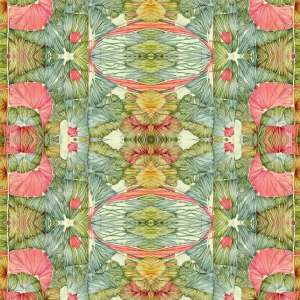
 | Beatriz Finkielsztejn Rio de Janeiro, Brazil (1965) |
Reason
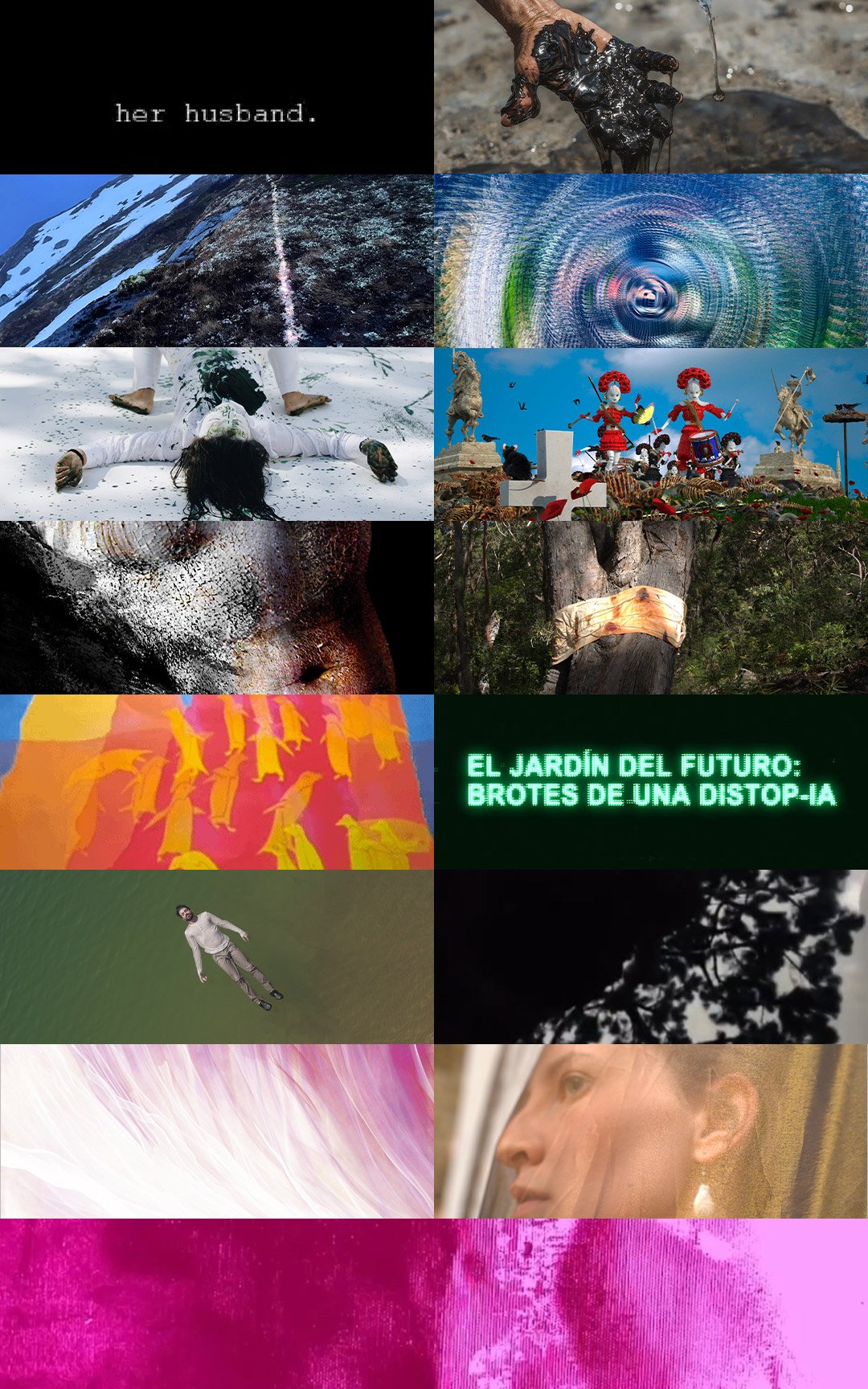
Her hypnotic work explores the cyclical rhythms of the natural world and the intricate matrix of colour and form that sustains it. The work is mesmerizingly immersive but also thought‑provoking, evoking the Garden of Eden – an idyllic, mythical place – while prompting a deeper reflection on our relationship with nature, and its fragile ecosystem.
Her work stands as a powerful testament to arts potential to inspire both awe and action-qualities that define the Arte Laguna prize.
ART GALLERY

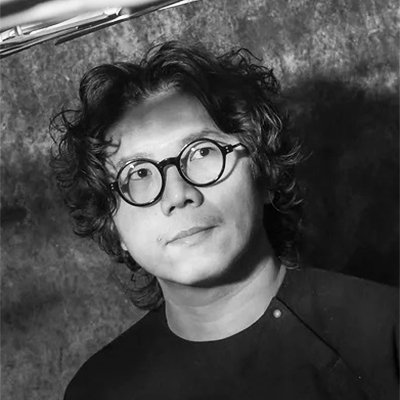


SUSTAINABILITY AND SOLIDARITY
ASEM Italia Odv
Mozambique
 | Clotilde Palomino Lyon, France (1981) |
Reason
The artist was selected for her practice in drawing on paper, a technique that fits perfectly with the association’s future projects. Her skill and graphic sensibility make her well-suited to developing the concept of comics as a tool for educational dissemination and communication. The residency in Mozambique, which also includes activities in the villages, offers an ideal context in which the visual language of comics can become an immediate, accessible, and culturally inclusive channel for conveying information and educational content.
IL CERCHIO
Venice, Italy
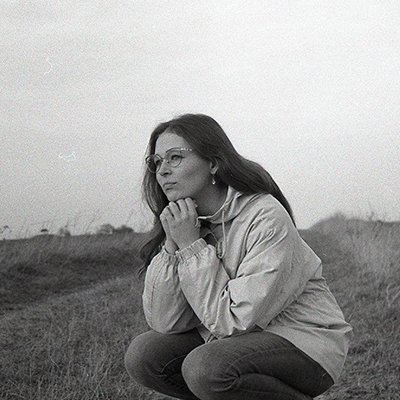 | Marie Bernardová Opava, Czech Rep. (1999) |
Reason
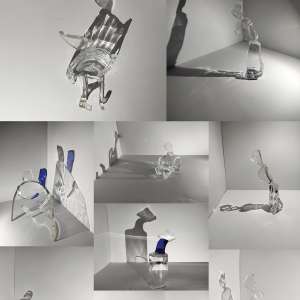
The artist’s choice was shared by the entire cooperative, which recognized his visual research’s ability to symbolically represent the theme of the social reintegration of ex-offenders. His works, characterized by interplays of light and shadow and multiple perspectives, allow for diverse interpretations and reflect the coexistence of different points of view. The key word guiding the selection is “fracture”: a concept that deeply resonates with the journey of people who, after the fracture represented by the prison experience, embark on a journey of reconstruction and return to the community.
CIAL
Milan, Italy

 | Silvia Cerioli Monza, Italy (1972) |
Reason
The project presented here poetically and visually interprets the theme of rebirth, closely linked to the value of recycling and aluminum’s ability to continually transform and regenerate. Through her work, the artist manages to narrate the material’s endless cycle of recovery and regeneration, making tangible the concept that every aluminum object, even after its use, can have a new life and a new purpose.
FESTIVAL AND EXHIBITIONS
VENICE DESIGN WEEK
Venice, Italy
 | Elisabeth Seidel Cologne, Germany (1995) |
Reason
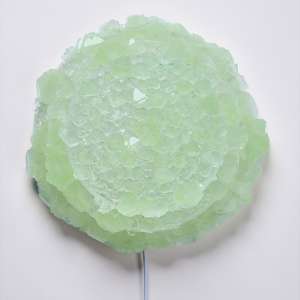
This project is included in the VDW Light Selection 2026 section for its ability to combine refined material research with a poetic and contemporary aesthetic, exploring the potential of natural crystal growth as a design element.
The resulting lighting fixture transforms light into a living and evolving organism, capable of producing refractions and atmospheres that interact with space, altering its perception and inviting the viewer into a multisensory experience.
Through an in-depth study of the properties of crystals, Seidel develops a visual language that integrates sustainability, technical accuracy, and artistic sensitivity. The result is a lighting object that invites us to rediscover light as both material and narrative, capable of evoking wonder and contemplation.
Gioia Maria Aloisi, Italia (1962)
Echo Morgan, Regno Unito (1983)
Juergen Eichler, Germania (1942)
Sveva Maria Eikemann, Italia (1999)
Luichi Gasca, Spagna (1995)
Chang-Rong Lin, Taiwan (1981)
Fantich & Young, Regno Unito (1971)
Susana Mazzarino, Spagna (1969)
Kian-Peng Ong, Singapore (1981)
Vladimir Paun-Vrapciu, Romania (1976)
Andrea Penteado, Brasille (1965)
Rosalinda Bingül Sardoğan, Turchia (1981)
Filip Sendal, Polonia (1980)
Rudina Simicija, Italia (1972)
Andrzej Wasilewski, Polonia (1975)